
What determines whether someone is successful?
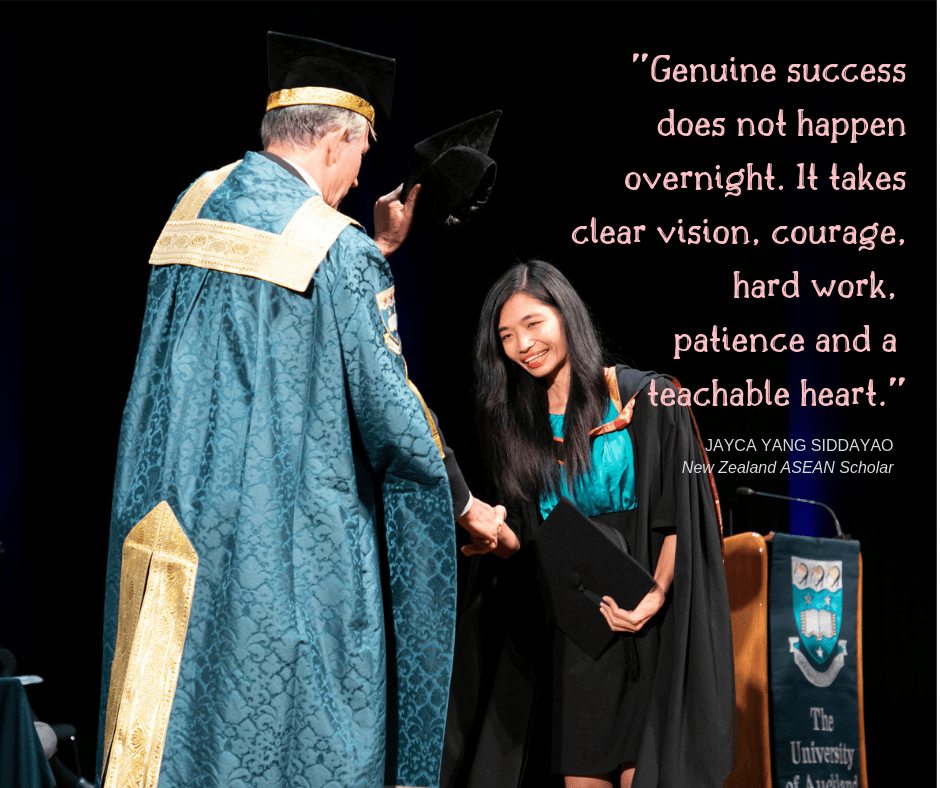
Success means different things to different people. For some, it is earning a degree — with or without honors. For others, it is building a stable career, starting a family, writing a book that leaves a legacy, founding a company, or achieving confidence through personal discipline and growth. Success comes in many forms. Through my journey, I have learned one essential truth: genuine success does not happen overnight. It requires clear vision, courage, hard work, patience, and a teachable heart.
VISION
A clear vision gives direction to your dreams.
When your goals are defined, your mind becomes focused and your decisions become intentional. Without vision, without clarity about who you want to become, what you want to achieve, and why it matters, ambition slowly fades into routine and life becomes a series of unaligned events. Years ago, I was asked in an English class: “How do you envision yourself 5 to 10 years from now?” At the time, it felt like a simple essay question. Looking back, it was one of the most important reflective exercises I ever encountered. Before my journey to New Zealand began, I asked myself:
- Where am I now?
- Where am I going?
- Who do I want to become?
- What steps will get me there?
I wrote my answers down — including short-term, medium-term, and long-term objectives. That exercise helped me create clearer goals and structure them into actionable steps. Vision transforms dreams into direction.
COURAGE
Courage is required to begin.
Every meaningful decision carries uncertainty; uncertainty about outcomes, support, feedback, or failure. Without courage, fear becomes louder than purpose.
Success demands action despite fear.
When I applied for a scholarship, I initially feared rejection especially because of my Job Order (JO or SC) employment status. I sought support from my workplace, but the request was declined, noting it is meant for permanent staff. The answer was “no.” However, I did not stop. I still completed the requirements and independently submitted my application with hope and persistence. Months later, I received the scholarship offer — with confirmation that support would be granted regardless of my employment classification.
If I had allowed fear or rejection to stop me, I would never have witnessed that outcome.
When I arrived in New Zealand, I faced another layer of uncertainty — unfamiliar culture, education systems, and networks. I knew no one. Questions filled my mind: What if I fail? What if I get lost? What if I cannot adapt?
Yet through prayer, courage, and consistent effort, I gradually built connections and expanded my network. Over time, New Zealand became more than a foreign country it became a second home. Courage is not a one-time act. It is a habit formed through repeated bold decisions. If you have the courage to begin, you develop the courage to succeed.
HARD WORK
Hard work is the commitment to execute what your vision demands.
As Ralph Waldo Emerson once said, “Shallow people believe in luck; strong people believe in cause and effect.” Success does not emerge from waiting for opportunities — it emerges from disciplined action. You may possess great dreams and ambitious goals, but without execution, they remain unrealized. However, hard work must be strategic. Working tirelessly without clarity can lead to exhaustion without progress. It is not merely about effort — it is about directing effort toward meaningful goals. Before investing energy into tasks, ask:
- What am I trying to achieve?
- Are my actions aligned with my objectives?
- Am I focusing on the right priorities?
Success is not measured by how busy you are but by whether your work moves you closer to intentional outcomes.
PATIENCE
We live in a world driven by instant gratification. People often expect immediate results and lose patience when progress appears slow. Yet anything of lasting value takes time: developing skills, building relationships, growing a business, or achieving professional milestones.
Patience sustains enthusiasm during long seasons of preparation. However, patience should not be mistaken for passive delay. While meaningful achievements require time, not everything that feels difficult is automatically worthwhile. Discernment is necessary to balance patience with action.
During my time at the University of Auckland Business School, I learned that the ability to delay gratification is a key factor in long-term success. Investors like Warren Buffett demonstrate this principle — holding long-term investments despite market fluctuations instead of reacting impulsively to short-term uncertainty.
Patience combined with wisdom allows growth to mature at the right time.
TEACHABLE HEART
No matter your age or achievements, success expands when humility remains.
A teachable heart is willing to learn, accept correction, and grow from feedback. Without teachability, people often repeat mistakes and limit their potential. Intelligence and skill alone are not enough. Growth requires openness to instruction and reflection.
I had the privilege of participating in an Executive Coaching Program — a partnership between a US-based company and the University of Auckland. My mentor could only guide me effectively because I remained receptive to feedback and willing to improve. Similarly, professional growth depends on the ability to listen, adapt, and refine.
The corporate world has many examples of individuals with great potential who stagnated because they resisted learning. A teachable spirit, however, actively seeks counsel, welcomes constructive criticism, and finds joy in continuous improvement. After all, we are never too experienced or accomplished to learn.
“Instruct the wise, and they will be even wiser. Teach the righteous, and they will learn even more.”–Proverbs 9:9.
 The Official Traveler
Leave a comment